Remember the classic casino? The hushed tones, the green felt, the serious faces around a blackjack table. For years, online live dealer games tried to replicate that exact experience—and they did a pretty good job. But here’s the thing: replication has its limits. A new breed of games has exploded onto the scene, blending the thrill of a game show with the real-money stakes of a casino. Frankly, it’s changed everything.
Let’s dive in. This isn’t just about new games; it’s a fundamental shift in strategy, audience, and the very feel of online gambling. We’re moving beyond traditional table games into a world of giant money wheels, charismatic hosts, and bonus rounds that feel ripped from prime-time TV.
From Replication to Innovation: The Game Show Revolution
The first wave of live dealer was all about authenticity. The goal was to make you, at home, feel like you were in Monaco or Vegas. Cameras focused on cards and roulette wheels. It was immersive, sure, but also… familiar. Maybe a bit too familiar for a new generation of players.
Then came the game shows. Providers like Evolution Gaming looked at the studio and asked a different question: “What if this was entertainment first?” The result was a slate of hybrid games that borrowed the engaging, easy-to-grasp formats from television. Think Dream Catcher, Monopoly Live, and Crazy Time. These aren’t just spins on roulette. They’re spectacles.
Why the Shift Worked (So Well)
The strategy behind this evolution is actually brilliant when you break it down. It solves several key pain points of traditional online casino content at once.
- Lower Barrier to Entry: You don’t need to know blackjack strategy or the intricacies of baccarat. If you understand a spinning wheel or a simple bonus game, you’re in. This massively widens the potential audience.
- Entertainment Value: The hosts are performers—energetic, funny, engaging. They build a narrative. The sets are colorful and dynamic. It’s a show you can bet on, not just a bet you can watch.
- Social Interaction: The chat becomes part of the experience. Players cheer for each other during bonus rounds, creating a community feel that’s often missing from silent, serious table games.
- Volatility and Big Wins: The game mechanics are built around multipliers, bonus rounds, and progressive elements. The potential for a life-changing win from a small bet is a core part of the appeal, a hook that’s harder to find in standard table limits.
Strategy in a Game Show World: It’s Not Just Luck
Okay, so these games look like pure chance. And at their core, they are. But—and this is a big but—a smart player can adopt a strategy that goes beyond blind luck. The key is understanding the game mechanics deeply.
Understanding RTP and Volatility
Every legit game has a published Return to Player (RTP). For live game shows, this can vary wildly between the main game and the bonus rounds. A savvy strategy involves knowing which segments of the game offer the best theoretical return. For instance, betting on a specific bonus trigger might have a lower RTP than a simple number bet on the main wheel. You have to check the game rules. Seriously, don’t skip this.
Then there’s volatility. These games are typically high volatility. That means wins can be infrequent but massive. Your bankroll strategy needs to account for that. Chasing losses with rapid bets is a surefire path to a empty wallet. The strategy here is patience and disciplined stake sizing.
Bonus Hunt vs. Consistent Play
This is a real tactical choice. Some players “bonus hunt,” placing bets specifically designed to trigger the high-multiplier bonus rounds (like the Crazy Coin Flip or Monopoly Bonus). These bets often have higher house edges, but the payout potential is enormous.
Others play a more conservative, consistent game on the main wheel, accepting smaller, more frequent wins. There’s no right answer—it’s about your risk appetite. Honestly, mixing both approaches can keep the session interesting.
| Gameplay Approach | Potential Pros | Potential Cons |
| Bonus Hunting | Chance at huge multiplier wins; high excitement. | Often lower RTP on trigger bets; can be bankroll intensive. |
| Consistent Main Game | Generally higher RTP options; more predictable play. | Wins are smaller; can miss out on big bonus round payouts. |
| Hybrid Strategy | Balances excitement & stability; covers more possibilities. | Requires more complex bankroll management. |
The Future: Where Do We Go From Here?
The evolution is far from over. In fact, we’re already seeing the next steps. The strategy for providers is now about deepening immersion and personalization.
Interactive & Skill-Based Elements: What if you could influence the bonus game? We’re seeing glimpses of this, where chat activity or player votes might nudge an outcome. The line between passive betting and active participation will blur.
Themed and Licensed Shows: Get ready for game shows based on popular TV, movie, or even video game franchises. The built-in audience and familiar mechanics are a powerful draw.
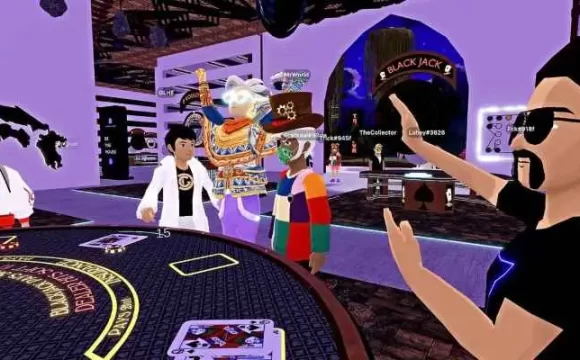
Enhanced Personal Tech: Imagine joining a live game show via VR, walking around the virtual set, and high-fiving another player’s avatar. The technology is creeping toward this reality, making the social and entertainment layers even thicker.
A Final Thought: The Human Element Endures
Despite all the tech and glitter, the core of this evolution’s strategy is profoundly human. It’s about connection, fun, and storytelling. Traditional table games offer a certain kind of purity—a test of nerve and knowledge against the house.
But live dealer game shows… they offer a shared experience. A moment of collective anticipation as the wheel slows down. A groan or cheer that ripples through the chat. They remind us that gambling, at its ancient heart, has always been a form of play. And sometimes, play needs a host, a bright light, and a wheel with a hundred possibilities.